Ashburton’s coastline and landscapes support some of Western Australia’s most important wildlife habitats. From ancient nesting beaches to remote Sea Country, conservation programs across the region work to protect vulnerable species and care for Country — with Traditional Owners, rangers and scientists working side by side.
Flatback Turtle Conservation
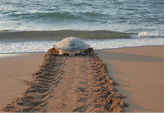 Ashburton’s beaches are critical nesting sites for the flatback turtle — a species found only in Australia and listed as vulnerable.
The Department of Biodiversity, Conservation and Attractions (DBCA) runs the Flatback Turtle Conservation Program to monitor nesting activity, protect nests and reduce threats during the breeding season. Rangers and researchers collect data, manage beach access and work closely with local communities and industry to minimise disturbance.
During nesting season, visitors may notice restricted areas, signage or changed access conditions. These measures are essential to giving hatchlings the best possible chance of reaching the ocean safely.
For more information about the Flatback Turtle program, visit flatbacks.dbca.wa.gov.au
Download Turtle Watching Code of Conduct
In Onslow, Shire of Ashburton Ranger Services and the Chevron Sea Rangers work together to protect flatback turtle nesting sites along Back Beach.
Following the loss of several nests to vehicles in 2022, new informational and directional signage was installed to guide beach users on where driving is permitted and when it’s safer to leave vehicles off the beach. The signage encourages drivers to stay on hard sand below the high-tide mark, helping to avoid nests and reduce tyre tracks that can disorientate hatchlings.
“The Chevron Sea Rangers are proud to play a role in protecting an important species to the area, and to continue sharing our knowledge with the local community,” said Chevron Australia Lead Sea Ranger Co-ordinator Brian Hayes.
Additional signs at the Onslow Salt Jetty and Front Beach Groyne also remind visitors that vehicle access between these points is prohibited year-round.
Chevron Sea Rangers Program
The Chevron Sea Rangers program supports Traditional Owner groups across the Pilbara to care for Sea Country using a combination of cultural knowledge and modern conservation practices.
In the Ashburton region, Sea Rangers play a key role in marine and coastal conservation — monitoring wildlife, protecting culturally significant sites, managing marine debris and supporting research activities. The program strengthens connections to Country while creating meaningful training and employment opportunities for Indigenous rangers.
How You Can Help Protect Wildlife
Visitors can make a real difference by travelling responsibly:
-
Stay on designated tracks and beaches
-
Keep lights low near nesting beaches at night
-
Take all rubbish with you, especially plastics
-
Observe wildlife from a distance and never disturb nests
-
Follow local signage and ranger directions
Conservation in Ashburton is about protecting wildlife, respecting culture and caring for the landscapes and seascapes that make this region so special. By understanding and supporting these efforts, visitors help ensure Ashburton remains wild, healthy and thriving.